Free For Classrooms
Free For Classrooms represents a growing ecosystem of educational resources that address one of the most pressing challenges in education: limited budgets combined with increasing demands for quality learning materials. Teachers across the country search for no-cost solutions that deliver genuine educational value without the price tag, and understanding which resources truly meet classroom needs separates effective implementation from wasted time.
Understanding Free For Classrooms Resources
The landscape of complimentary educational materials has evolved significantly. What once meant photocopied worksheets now encompasses sophisticated digital platforms, interactive learning tools, and comprehensive curriculum resources. The key distinction lies between truly free offerings and freemium models that require eventual payment.
According to data from the National Center for Education Statistics, teachers spend an average of $479 of their own money annually on classroom supplies. Free For Classrooms initiatives help bridge this gap by providing legitimate alternatives that maintain educational rigor without financial burden.
Categories of Free For Classrooms Materials
Educational resources fall into distinct categories, each serving specific pedagogical needs. Understanding these divisions helps teachers make informed decisions about implementation.
| Resource Type | Primary Use | Implementation Time | Technical Requirements |
|---|---|---|---|
| Digital Learning Platforms | Interactive lessons, assessments | 1-2 weeks setup | Internet, devices |
| Printable Worksheets | Practice, homework | Immediate | Printer access |
| Video Content Libraries | Visual instruction, flipped classroom | Same day | Display screen, internet |
| Lesson Plan Repositories | Curriculum planning | 1-3 days review | None |
| Assessment Tools | Progress tracking, testing | 1 week | Internet, email |
Digital Tools That Deliver Real Value
The digital category of Free For Classrooms offerings has expanded rapidly. Many platforms provide comprehensive solutions without subscriptions or hidden costs. Google Classroom, for instance, integrates with existing school systems and requires only a school email address to access full functionality.
Khan Academy stands as another pillar in the free education movement. The nonprofit provides standards-aligned content across subjects from kindergarten through early college, complete with practice exercises and instructional videos. Teachers receive detailed analytics on student progress without any financial commitment.
Code.org has democratized computer science education by offering complete curriculum packages at no cost. The platform includes lesson plans, teacher training modules, and student activities designed for educators with zero programming background.
Evaluating Quality in Free For Classrooms Options
Not all free resources maintain equal quality standards. Teachers should apply specific criteria when vetting materials for classroom use.
- Alignment with state or national educational standards
- Clear learning objectives stated for each resource
- Regular content updates and maintenance by creators
- Positive reviews from other educators with verified classroom implementation
- Accessible customer support or community forums
- Data privacy compliance, especially FERPA and COPPA regulations
- Differentiation options for diverse learning needs
- Technical reliability and minimal downtime
Physical Resources Without the Price Tag
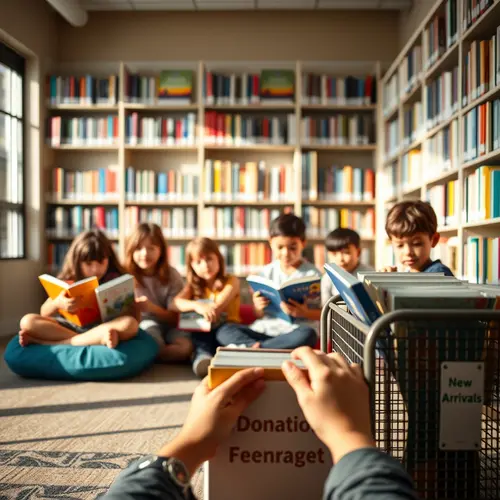
Free For Classrooms extends beyond digital boundaries. Many organizations provide tangible materials shipped directly to schools at no cost. DonorsChoose connects teachers with donors who fund specific classroom projects, while classroom libraries can be built through programs like First Book Marketplace.
Scientific supply companies often maintain educational outreach programs. Carolina Biological Supply and Ward’s Science both offer free specimen samples and teaching aids through their educator programs. Museums and cultural institutions frequently provide lending libraries of artifacts and educational kits.
Practical Implementation Strategy for Free For Classrooms Tools
Successful integration requires systematic planning rather than haphazard adoption. Start with a single resource aligned to your most pressing instructional need. Master its functionality over two weeks before expanding to additional tools.
Create a centralized document tracking each free resource, noting login credentials, technical requirements, and specific curriculum connections. This organizational system prevents redundancy and ensures continuity when sharing resources with colleagues.
Common Misconceptions About Free Educational Resources
A persistent myth suggests that Free For Classrooms materials lack the quality of paid alternatives. This outdated belief ignores the reality that many premium educational publishers now offer robust free tiers, and nonprofit educational organizations employ curriculum specialists who create standards-aligned content.
Another misconception claims free tools require excessive setup time. While some platforms demand initial configuration, many provide immediate usability. The time investment for setup typically pays dividends through ongoing access to regularly updated content.
Expert Perspective on Sustainability
The sustainability model for Free For Classrooms resources varies significantly. Some platforms operate through nonprofit funding, others through institutional grants, and some provide free educator accounts while charging students or schools for premium features. Understanding the funding model helps predict long-term availability.
Teachers should diversify their resource portfolio rather than becoming dependent on any single free platform. This approach mitigates risk if a provider changes their pricing model or discontinues service. Maintain backup options for critical instructional components.
Building a Comprehensive Free Resource Library
Strategic curation transforms scattered free materials into a cohesive educational toolkit. Organize resources by subject area, grade level, and instructional purpose. Document which standards each resource addresses to streamline lesson planning.
Consider these core categories when building your Free For Classrooms collection:
- Reading comprehension and literacy development tools
- Mathematics practice and conceptual understanding platforms
- Science simulations and virtual lab experiences
- Social studies primary source collections
- Arts integration resources including music and visual arts
- Formative assessment and student response systems
- Classroom management and organizational tools
- Professional development webinars and teaching strategy guides
Maximizing Impact With Limited Budgets
Schools operating with constrained budgets can leverage Free For Classrooms resources to maintain educational excellence. The key lies in strategic selection and intentional implementation rather than adopting every available free tool.
Focus on resources that address specific achievement gaps identified through student data. If reading comprehension scores lag, prioritize free literacy platforms over general educational games. This targeted approach ensures that limited teacher preparation time yields maximum instructional impact.
Collaborate with colleagues to divide exploration responsibilities. When each teacher vets two or three free resources thoroughly, the entire team benefits from curated recommendations without duplicating effort. Share successful implementation strategies during planning periods to accelerate adoption.
Legal and Ethical Considerations
Using Free For Classrooms materials requires understanding copyright and licensing terms. Creative Commons licensed resources explicitly grant educational use, while some materials limit redistribution or modification. Always verify usage rights before incorporating content into lesson plans or sharing with students.
Student data privacy remains paramount. Free platforms often collect user information, so review privacy policies carefully. Ensure any digital tool complies with the Family Educational Rights and Privacy Act (FERPA) before requiring student accounts or data entry.
Future-Proofing Your Free Resource Strategy
The availability of Free For Classrooms resources continues expanding as educational equity receives increased attention from policymakers and philanthropic organizations. Teachers who develop skills in locating, evaluating, and implementing these resources position themselves and their students for long-term success.
Stay informed about new offerings through professional learning networks and education technology newsletters. Many free resources launch during summer months when teachers have time for exploration. Dedicate a few hours each year to discovering emerging platforms that could enhance your instructional practice.
Remember that the most expensive resource is one that sits unused regardless of price. Free For Classrooms materials deliver value only through thoughtful integration into your existing curriculum. Start small, measure impact through student outcomes, and expand your free resource toolkit based on demonstrated effectiveness rather than availability alone.
About the Author