Resources For Students
Why Comprehensive Resources For Students Matter More Than Ever
Academic success requires more than textbooks and classroom instruction. Students who leverage multiple resource types consistently outperform their peers who rely solely on traditional learning methods. According to data from the National Center for Education Statistics, students who actively use institutional support services show higher retention rates and improved grade point averages. This correlation highlights the critical role that accessible resources play in educational outcomes. The key lies not in quantity but in strategic selection. Students must identify resources that align with their specific learning styles, academic goals, and personal circumstances.
Core Categories of Resources For Students
Academic Support Systems
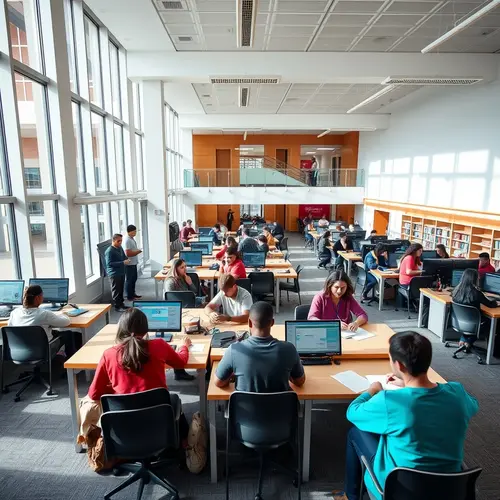
Libraries remain the cornerstone of student resources, offering far beyond physical books. Modern library systems provide digital databases, research assistance, study spaces, and technology lending programs. Students can access peer-reviewed journals, specialized software, and multimedia materials that support diverse learning needs. Tutoring centers deliver personalized academic assistance across subjects.These facilities typically staff graduate students, faculty members, or trained peer tutors who help clarify difficult concepts and develop study strategies. Many institutions offer both drop-in sessions and scheduled appointments to accommodate different schedules. Writing centers specialize in helping students improve their composition skills. Professional consultants work one-on-one to strengthen arguments, clarify thesis statements, and refine grammar without simply editing papers for students.
Financial Aid and Scholarship Resources
Financial aid offices serve as primary navigation points for funding education.Staff members help students complete federal aid applications, understand loan terms, and explore grant opportunities. These offices also maintain scholarship databases and assist with appeals processes. Emergency funds address unexpected financial crises that might otherwise force students to withdraw. Many institutions maintain discretionary funds for textbook assistance, housing deposits, or medical expenses that fall outside traditional financial aid parameters.
Mental Health and Wellness Resources For Students
Counseling centers provide confidential mental health services ranging from crisis intervention to ongoing therapy.Licensed professionals help students manage stress, anxiety, depression, and relationship challenges that impact academic performance. Wellness programs promote holistic health through fitness facilities, nutrition counseling, and stress management workshops. These preventive services help students maintain the physical and emotional stamina required for sustained academic effort.
Career Development Tools
Career services offices guide students from major selection through job placement.Professional advisors offer resume reviews, mock interviews, networking events, and connections with potential employers. These offices often maintain job boards and internship listings specific to each academic discipline. Alumni networks provide mentorship opportunities and industry insights. Connecting with graduates who successfully navigated similar career paths gives students practical guidance that complements classroom theory.
Comparative Analysis of Resource Accessibility
| Resource Type | Availability | Cost | Primary Benefit |
|---|---|---|---|
| Library Services | 24/7 digital, limited physical hours | Included in tuition | Research and study materials |
| Tutoring Centers | Scheduled appointments | Free or minimal fee | Subject-specific assistance |
| Counseling Services | Limited sessions per semester | Included in fees | Mental health support |
| Career Services | Drop-in and appointments | Free for students/alumni | Professional development |
| Financial Aid Office | Business hours | No charge | Funding guidance |
Digital Platforms That Extend Traditional Learning
Learning management systems centralize course materials, assignments, and communication. These platforms create organized digital spaces where students access syllabi, submit work, and participate in discussions outside physical classrooms. Research databases provide scholarly articles, historical documents, and specialized publications. Students gain access to materials that would otherwise require expensive subscriptions or extensive library networks. Productivity applications help students manage time, organize notes, and collaborate on group projects.
Tools for task management, cloud storage, and video conferencing have become essential components of academic success.
Open Educational Resources
Open-access textbooks and course materials reduce financial barriers to education. Professors and institutions increasingly adopt these freely available resources to decrease student costs without sacrificing educational quality. Video lecture archives from major universities allow students to supplement their learning with presentations from leading experts.Platforms hosting these materials democratize access to world-class instruction across geographic and economic boundaries.
Expert Perspective: The Selection Framework That Works
Many students make the mistake of trying to use every available resource simultaneously, leading to overwhelm and inefficiency. The most successful approach involves strategic selection based on current needs. Start by identifying your three biggest academic challenges. Match each challenge to the most appropriate resource category. For example, struggling with calculus concepts calls for tutoring center visits, while confusion about career paths warrants career services appointments. Track which resources produce measurable improvements in your performance or wellbeing. This evidence-based approach helps you invest time where it generates the highest return. Drop resources that consume time without delivering corresponding benefits.Practical Scenario: Maximizing Resource Impact
Consider a student facing multiple concurrent pressures: difficult coursework, financial stress, and career uncertainty. Rather than random resource usage, a strategic approach targets each issue systematically. Week one focuses on academic stabilization through tutoring appointments and study group formation. Week two addresses financial concerns through financial aid office consultation and emergency fund applications. Week three initiates career planning through resume workshops and informational interviews arranged by career services. This sequential approach prevents overwhelm while ensuring each problem receives focused attention supported by appropriate institutional resources.Common Misconceptions About Student Resources
The belief that using support services indicates weakness or inadequacy prevents many capable students from accessing helpful tools. In reality, the most successful students actively seek assistance rather than struggling alone. Another misconception suggests that institutional resources exist only for students in crisis. Most services operate on a preventive model, helping students maintain strong performance rather than solely addressing failures.Building a Personalized Study Portfolio
Effective Resources For Students usage requires intentional planning. Create a master list of available services at your institution, noting hours, contact methods, and specific offerings. Establish relationships with key resource providers before you need emergency assistance. Attending a career services workshop when not actively job searching, for example, familiarizes you with staff and processes that become valuable later. Schedule regular check-ins with at least one support service per semester. This proactive approach identifies emerging issues before they become serious problems.Evaluating Quality and Fit Like a Pro
Not all Resources For Students deliver equivalent value for every individual. Assess each resource based on three criteria: accessibility, relevance, and effectiveness. Accessibility encompasses both physical availability and cultural approachability. A tutoring center with limited hours or intimidating atmosphere fails students despite offering quality instruction. Relevance means the resource addresses your specific needs rather than providing generic support. Career services focused on engineering placements offer limited value to humanities students unless they also maintain discipline-specific advisors. Effectiveness requires measurable outcomes. If counseling sessions, tutoring appointments, or workshop attendance don’t produce noticeable improvements, explore alternative resources or approaches.Beyond Campus: External Options That Supplement Study
Community organizations often provide services that complement campus resources. Public libraries, volunteer tutoring programs, and nonprofit counseling services extend support networks beyond institutional boundaries. Professional associations in specific fields offer student memberships with access to conferences, publications, and mentorship programs. These connections build industry knowledge and professional networks that enhance career readiness. Government programs provide additional financial assistance, healthcare access, and skills training. Understanding eligibility requirements and application processes maximizes available support.Long-term Benefits of Strategic Resource Use
Students who develop strong resource navigation skills during their education carry these abilities into professional life. The capacity to identify, access, and leverage available tools translates directly to workplace success. Building relationships with mentors, advisors, and support staff creates networks that provide value long after graduation. These connections often lead to job opportunities, graduate school recommendations, and ongoing professional guidance. Understanding how to seek and accept help builds resilience and emotional intelligence.
These qualities prove essential for navigating the complex challenges of adult life and career advancement. Comprehensive Resources For Students represent investments institutions make in student success. Taking full advantage of these tools maximizes educational value, reduces unnecessary struggle, and positions students for sustained achievement. The difference between students who thrive and those who merely survive often comes down to resource awareness and strategic utilization rather than innate ability alone.
Quick Comparison of Resource Types
| Type | Cost | Best for |
|---|---|---|
| Digital library | Free-$ | Research |
| Planners | Free | Focus |
| Tutoring | $$ | Exams |
Key takeaway: audit resources for students each term and drop what you outgrow.
Who This Study Guide Fits
High-school and college learners building sharper routines benefit most. Share the quality checklist with study groups.
Verdict: Planner Plus Library First
For resources for students wins, pair a planner with one digital library this week. Rotate resources for students quarterly as courses change.
Further Reading on This Site
Which resource type helps most first?
For resources for students, start with a planner plus one digital library. This combo organizes time and widens access fast.
How do I judge resource quality?
With resources for students, check author credentials, update dates, and reviews. Drop anything outdated or ad-heavy.
Are paid resources worth it?
Some resources for students justify cost via tutoring or certificates. Trial free tiers before paying anything.
About the Author

:max_bytes(150000):strip_icc()/the-digital-divide-5116352-V1-fa4c42a027aa43bda4da16e973097b06.png "The Digital Divide: Addressing Equity in Remote Education")