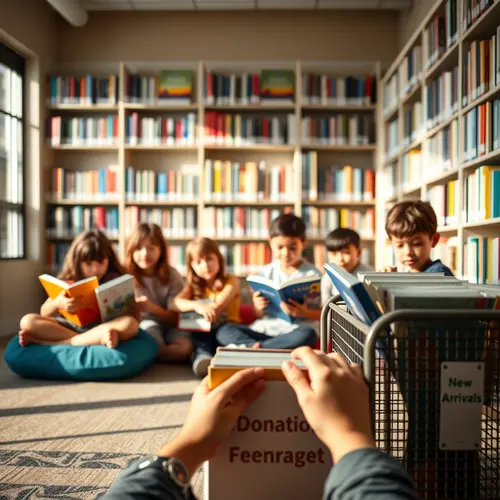
There is a small window in every child’s life when curiosity blooms effortlessly. Questions flow. Imagination stretches wide. In these moments, learning feels natural, joyful, and alive. Parents who notice this window—and protect it—lay the groundwork that can gently assist scholars long before classrooms, exams, or career decisions appear.
Education does not begin with textbooks. It begins with safety, encouragement, and meaningful connection. When families understand this truth, they unlock a calmer, more confident approach to growth that continues to assist scholars across every stage of development.
Why Successful Learning Always Starts at Home
Schools teach content. Homes teach context. The most enduring educational advantages are often invisible: emotional stability, disciplined curiosity, and a sense of purpose. These elements quietly assist scholars by shaping how children think, adapt, and persevere.
Early learning is not about acceleration. It is about alignment. When parenting values mirror educational goals, children experience consistency rather than confusion. This harmony helps assist scholars in developing focus without fear and ambition without anxiety.
How Early Habits assist scholars for Life
Small habits compound. Reading together, discussing ideas, encouraging questions at the dinner table—these practices form cognitive architecture that continues to assist scholars well into adolescence.
Children raised in reflective environments tend to approach learning as exploration rather than obligation. This mindset does more to assist scholars than any rigid curriculum ever could.
Example: Pressure vs. Preparation
Consider two learning environments:
-
Pressure-driven: Achievement is measured constantly, mistakes are corrected sharply, and comparison is frequent.
-
Preparation-driven: Effort is acknowledged, reflection is encouraged, and growth is celebrated.
The second environment consistently tends to assist scholars in building confidence, resilience, and intrinsic motivation.
Comparing Learning Pathways: Short-Term Results vs. Long-Term Growth
Some approaches aim for immediate performance. Others invest in sustainability.
| Focus Area | Performance-Centered | Growth-Centered |
|---|---|---|
| Motivation | External rewards | Internal purpose |
| Parent Role | Enforcer | Guide |
| Outcome | Quick results | Lifelong learning |
Growth-centered environments naturally assist-scholars by nurturing independence and thoughtful decision-making.
Emotional Intelligence as an Academic Advantage
Emotional literacy is often underestimated. Yet the ability to regulate emotions, manage frustration, and communicate clearly can significantly assist scholars in academic settings.
Children who feel understood at home tend to engage more confidently at school. They ask for help when needed. They collaborate better. These soft skills quietly assist-scholars in navigating complex learning environments.
Parenting Choices That Shape Confident Learners
Effective parenting is neither permissive nor authoritarian. It is intentional. Clear boundaries paired with empathy create psychological safety—a condition that continues to assist as challenges grow more complex.
Encouraging autonomy within structure allows children to take ownership of learning. This ownership does more to assist scholars than constant supervision ever will.
A Gentle Framework to assist scholars Without Pressure
Sustainable success does not require intensity. It requires consistency.
Families who adopt simple, repeatable practices often find they naturally assist without stress:
-
Predictable routines
-
Open-ended conversations
-
Respect for individual learning pace
These elements build trust, which remains one of the strongest forces to assist over time.
Reimagining Success Beyond Grades
Grades measure output. Growth measures depth. Parents who shift focus from performance to progress often discover they better assist scholars in finding meaning within learning.
Children raised with this philosophy are more likely to pursue knowledge voluntarily. They read because they are curious. They study because they care. This intrinsic drive continues to assist far beyond formal education.
Turning Insight Into Everyday Impact
Change does not require dramatic reform. It begins with awareness. Observe how your child responds to learning moments. Adjust language. Replace pressure with presence.
When families choose intention over urgency, they naturally assist scholars in becoming confident, capable learners.
Early Care, Enduring Confidence
Successful learning truly starts early, but it never ends. The goal is not perfection. It is preparedness.
When education is rooted in empathy and guided by thoughtful parenting, children grow with steadiness and joy. These early choices quietly, powerfully assist-scholars in shaping futures built on confidence, curiosity, and calm determination.
About the Author