High school outfit ideas should clear the dress code before they clear the mirror test. The sections below connect high school outfit ideas to the decisions you face this week.
The first day of school. The fresh scent of notebooks, the buzz of chatter in the halls, and the feeling of a brand-new beginning. It’s more than just another day—it’s a chance to reinvent, to express, to walk in with confidence that speaks before you even say a word. And the easiest way to do that? Through your wardrobe. Finding outfit ideas for high school that are not just trendy but also empowering can completely reshape your mindset and set the tone for the rest of your school year. Keep the focus on high school outfit ideas while you work through the checklist.
The pressure to make a solid first impression can feel overwhelming. But here’s the truth: looking great isn’t about following every fashion trend that flashes across social media. It’s about curating a look that’s uniquely yours. It’s about discovering outfit ideas for high school that highlight your personality, elevate your self-image, and make you feel phenomenal from the inside out. Most questions about high school outfit ideas come down to cost, time, and support.
Discover the Joy of Dressing with Intention
Imagine waking up every school morning knowing exactly what to wear—no stress, no second-guessing. Your closet becomes your personal toolkit of self-expression, each piece thoughtfully selected to support not just your look, but your mood, energy, and confidence. This guide treats high school outfit ideas as a series of small, testable decisions.
Whether you’re a vintage lover, a minimalist, a sporty soul, or someone still figuring it out—there’s a goldmine of outfit ideas for high school waiting to be discovered. And they go far beyond jeans and tees. Think layers that whisper creativity, accessories that add flair without fuss, and colors that brighten your vibe even on the cloudiest Monday. A short weekly review keeps high school outfit ideas from drifting into guesswork.
The key is balance—blending style with comfort, practicality with personality. And yes, you can look like your best self without breaking the dress code or your budget. The checklist below turns high school outfit ideas into steps you can finish this week.
Feel-Good Fashion That Reflects Who You Are
Let’s be honest: high school can feel like a constant comparison game. But when you wear clothes that feel good, fit well, and reflect who you are, you no longer dress to impress—you dress to express. The best outfit ideas for high school don’t demand attention, they command it—quietly, confidently. Before committing time or money, compare high school outfit ideas on cost, support, and evidence.
Ever noticed how your mood shifts when you’re wearing your favorite shirt or a pair of shoes that make you feel unstoppable? That’s the psychology of fashion at work. Clothes can impact our emotions, our focus, and even how others interact with us. It’s not just about aesthetics—it’s about energy. Readers often revisit high school outfit ideas at the start of each term.
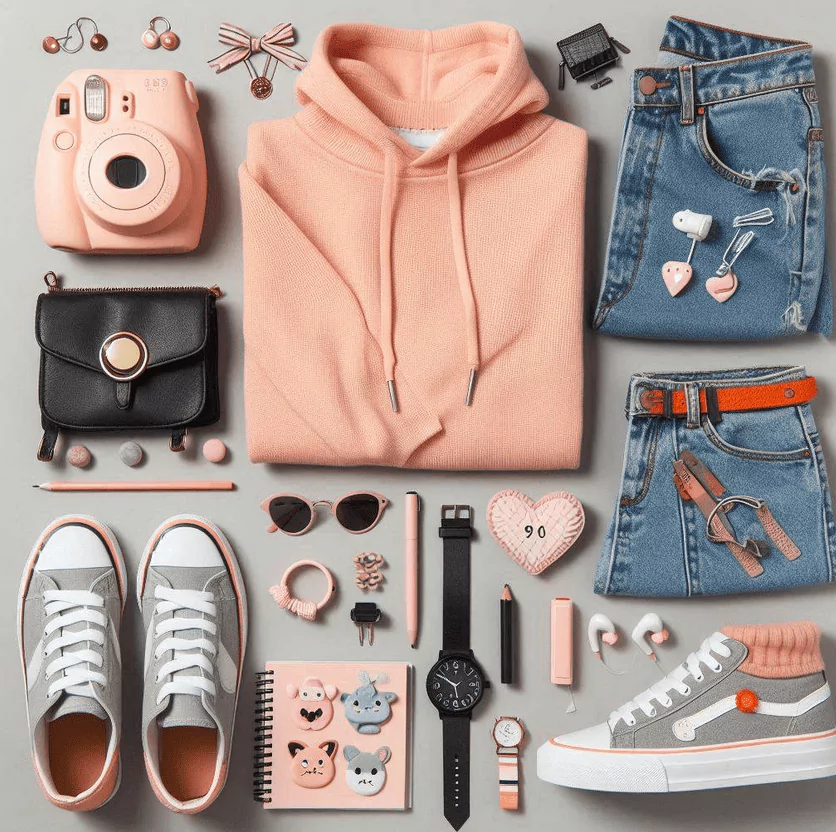
Incorporating intentional outfit ideas for high school into your daily routine allows you to take control of that energy. Maybe it’s a well-layered hoodie over a graphic tee that showcases your favorite band. Or a crisp button-down tucked into wide-leg pants for a bold, clean look. Maybe it’s those high-top sneakers that give you a boost of edge, paired with your go-to denim jacket. Families and students can use high school outfit ideas to plan one term at a time.
Each day, your outfit becomes your silent hype squad, cheering you on. Good decisions about high school outfit ideas start with a written plan and a review date.
Build a Wardrobe That Evolves with You
What makes a truly great high school outfit? It’s not about having an overflowing closet. It’s about versatility. It’s about creating a few go-to formulas that you can mix and match depending on your mood, your classes, the season, or even your extracurriculars. The examples above show high school outfit ideas in ordinary weeks.
Here’s where curated outfit ideas for high school come in. Think capsule wardrobes designed around your schedule—one set for warm weather, one for chilly days, and one for those unpredictable in-betweens. Imagine having a handful of interchangeable pieces that work together effortlessly, so you always feel polished without overthinking. Treat high school outfit ideas as a process, not a single event.
A plaid skirt paired with a cozy knit and chunky loafers. A bomber jacket thrown over a monochrome base for instant cool. Joggers dressed up with a cropped blazer and a sleek ponytail. These are just a few of the limitless outfit ideas for high school that can help you move through your day with purpose and poise. Any honest discussion of high school outfit ideas has to mention time, money, and support.
And yes—accessories matter. A simple necklace, a statement belt, or even a scrunchie that matches your kicks can elevate a look from simple to standout. Fashion is in the details. Use the comparison table to check high school outfit ideas before you commit.
Step into School with Confidence and Style
Style is not one-size-fits-all, and that’s the magic of it. The right outfit ideas for high school will never box you in—they’ll open you up to more of who you already are. Whether you’re walking into school ready to conquer exams or just trying to make it through first period with your sanity intact, your outfit can support you.
Confidence is not something you have to wait for—it’s something you can cultivate. And one of the most powerful, accessible ways to begin is with what you wear. Dress in a way that celebrates who you are now and who you’re becoming. Dress in a way that makes you feel alive.
There’s something undeniably magnetic about a student who walks the halls with quiet confidence and effortless style. And guess what? That student can be you. With the right mix of outfit ideas for high school, you can create a style narrative that helps you feel your best and leave an unforgettable first impression—without saying a word.
For related guidance, see Inspiring Achievement Made Simple: The Powerful Education Advantage for the high school scholar and School Stages Explained: The Ultimate Guide to a Thriving Academic Journey.
Putting High School Outfit Ideas Into Practice
A plan turns interest into results. The steps below work whether you are starting this week or rebuilding an old routine, and they fit the topics covered above.
- Name one goal. Write the outcome you want in a single sentence, then check it monthly.
- Set a weekly slot. Protect the same hour each week so the work survives busy periods.
- Use one tool. Keep notes, deadlines, and links in one place instead of five.
- Ask for feedback early. Share a draft, a plan, or a first attempt before you polish it.
- Review the data. Compare what you planned with what actually happened, then adjust.
- Repeat for one term. Consistency beats intensity when the schedule gets crowded.
Common Mistakes That Undo Progress
The first mistake is doing too much at once. A broad plan feels productive, but it spreads attention across too many tasks. Pick one change, run it for four weeks, and only then add the next.
The second mistake is skipping the boring part: schedules, documents, and follow-up. Most setbacks trace back to a missed deadline or an unread instruction, not a lack of talent. Build a simple checklist and use it every time.
The third mistake is judging too early. Early results are noisy. Set a review date, collect two or three signals, and decide with evidence instead of a single bad week.
How to Measure Progress
Choose two metrics you can collect without extra work: completion, attendance, applications submitted, or time saved. Record them weekly in the same place, because memory rewrites progress.
- Leading signal: the action you control, such as sessions completed.
- Lagging signal: the result you want, such as a grade, offer, or acceptance.
- Review window: four weeks for habits, twelve weeks for outcomes.
- Adjustment rule: change one variable at a time so you can tell what worked.
Quick Comparison: What to Check Before You Commit
| What to compare | Why it matters | What good looks like |
|---|---|---|
| Total cost | Hidden fees change the real price | One written estimate with every fee listed |
| Time required | Overload causes drop-off | A weekly commitment you can actually keep |
| Support | Problems arrive after the first week | A named contact and a clear response time |
| Evidence | Claims are easy, results are not | Finished examples with real outcomes |
A Simple Weekly Workflow
A weekly rhythm removes the daily negotiation about when to start. Set aside twenty minutes to review what moved, what stalled, and what needs a decision. Then choose one task for the coming week and write it where you will see it.
- Monday: confirm the week’s single priority.
- Midweek: check progress and remove one obstacle.
- Friday: record results and note what to change.
- Weekend: rest, then plan the next priority.
Where to Find Reliable Help
Most people do not need more information; they need one reliable contact. Identify an adviser, teacher, or program coordinator who can answer questions in writing, and keep their replies in one folder. When a deadline or rule is unclear, ask for the specific document that governs it instead of relying on forum advice.
Questions Worth Asking First
Before you commit time or money, ask what success looks like in six months, who provides support when something breaks, and what the total cost includes. Ask for one example of someone who finished and one who stopped. The answers reveal more than any brochure.
For official guidance, see Common Sense Education.
What should a beginner focus on first?
Start with the fundamentals covered in Discover the Joy of Dressing with Intention. Build one repeatable routine, keep the scope small, and review results weekly. Beginners who master the basics first avoid costly detours, and they usually see steadier progress within the first month.
How do you choose the right option?
Compare cost, time commitment, support, and evidence of results. Ask for examples from people who finished, and test the choice on a small scale when you can. The right fit matches your schedule and budget instead of the loudest marketing claim.
How long does it take to see results?
Most people notice small improvements within two to four weeks, and clearer results after about three months of consistent effort. The themes in Feel-Good Fashion That Reflects Who You Are matter here: track one or two measures, adjust monthly, and give the process time before judging it.
About the Author