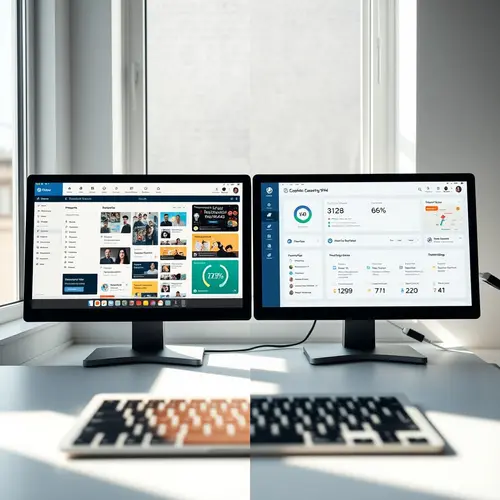

As the new school year approaches, parents and students alike face a pivotal question: how to blend traditional learning with the digital age seamlessly? Enter the realm of Back to School Electronics a dazzling array of smart gadgets designed not just to keep pace with today’s fast-evolving educational landscape, but to spark joy and invigorate the learning experience. Imagine devices that go beyond mere tools and become companions in your child’s academic journey. These are not just electronics; they are gateways to curiosity, creativity, and confidence. The sections below connect back to school electronics to the decisions you face this week.
From sleek tablets that organize notes with a tap to interactive e-readers that turn pages with a swipe, the world of Back to School Electronics offers more than convenience. It provides the power to transform routine study sessions into immersive adventures. Picture your child excited to explore science simulations, master math problems through intuitive apps, or connect with classmates via innovative collaborative platforms—all facilitated by thoughtfully chosen technology. The right gadget can turn frustration into fascination, chaos into clarity.
Why Smart Gadgets are a Game-Changer in Education
Education is no longer confined to textbooks and chalkboards. In an era where digital literacy is paramount, integrating Back to School Electronics into everyday learning is crucial. These gadgets are crafted to enhance not only knowledge absorption but also engagement, critical thinking, and problem-solving.
Consider how a high-quality tablet equipped with stylus support allows a student to handwrite notes with precision, then instantly convert them into editable text—making revisions seamless and boosting study efficiency. Or how noise-canceling headphones create a focused bubble amid the chaos of a busy household, supporting concentration during virtual classes or solo study sessions. Keep the focus on back to school electronics while you work through the checklist.
Moreover, smart gadgets foster personalized learning. Adaptive software tailors lessons to each learner’s pace and style, empowering students to flourish without the pressure of keeping up with a uniform curriculum. This individualization is a secret weapon, helping children build confidence and resilience.
Incorporating Back to School Electronics also prepares students for a tech-driven future, equipping them with essential skills for higher education and the workforce. Early familiarity with these tools nurtures digital fluency, problem-solving agility, and creativity—qualities that define tomorrow’s innovators.
Envision a School Year Fueled by Innovation and Joy
Imagine the morning routine without the usual scramble: laptops pre-charged, smart planners synced with calendars, and tablets loaded with interactive lessons. Visualize your child effortlessly navigating digital textbooks, collaborating on projects with peers across the globe, and accessing vast libraries of knowledge with a single touch. This is not a futuristic fantasy—it’s the reality crafted by embracing Back to School Electronics. Most questions about back to school electronics come down to cost, time, and support.
Beyond academics, these gadgets enhance well-being. Apps focused on mindfulness and stress management provide tools for emotional balance amid school pressures. Fitness trackers encourage physical activity, reminding students to take essential breaks for movement and relaxation. When technology is harnessed thoughtfully, it becomes a holistic companion, supporting mind, body, and spirit.
The joy these devices bring is palpable. Learning becomes less a chore and more a captivating quest. The tactile interaction, the instant feedback, the visual stimulation—all these elements contribute to a richer, more enjoyable educational experience. Parents notice increased motivation, teachers observe deeper engagement, and most importantly, students feel empowered.
Equip Your Child with the Best Back to School Electronics Today
Ready to transform your child’s school year? Start by curating a selection of smart gadgets tailored to their needs and interests. Prioritize quality, versatility, and ease of use. Whether it’s a tablet with an expansive app ecosystem, a laptop optimized for both study and creativity, or ergonomic accessories designed for comfort, every choice matters. This guide treats back to school electronics as a series of small, testable decisions.
Integrate these tools gradually, pairing them with clear guidelines to cultivate healthy tech habits. Encourage exploration, but also set boundaries to maintain balance. Support your child as they discover how to maximize these devices not just for academic success, but for personal growth.
Remember, Back to School Electronics are more than investments in hardware—they are investments in your child’s future. By fostering a joyful, innovative learning environment today, you prepare them to thrive in an ever-changing world tomorrow.
Embrace the power of technology with heart and intention. Let this school year be the one where learning ignites passion, nurtures curiosity, and opens doors to endless possibilities. A short weekly review keeps back to school electronics from drifting into guesswork.
Harness the potential of Back to School Electronics and watch your child flourish like never before. Ready to explore the best options? Dive into our curated guides and expert recommendations to find the perfect gadgets that will spark joy and boost learning in every step of their educational journey.
You may also find these guides useful: School Stages Explained: The Ultimate Guide to a Thriving Academic Journey and Back to School Girl Checklist for a Smart, Stylish, and Stress-Free Start.
A Practical Implementation Checklist
A plan turns interest into results. The steps below work whether you are starting this week or rebuilding an old routine, and they fit the topics covered above. The checklist below turns back to school electronics into steps you can finish this week.
- Name one goal. Write the outcome you want in a single sentence, then check it monthly.
- Set a weekly slot. Protect the same hour each week so the work survives busy periods.
- Use one tool. Keep notes, deadlines, and links in one place instead of five.
- Ask for feedback early. Share a draft, a plan, or a first attempt before you polish it.
- Review the data. Compare what you planned with what actually happened, then adjust.
- Repeat for one term. Consistency beats intensity when the schedule gets crowded.
Common Mistakes That Undo Progress
The first mistake is doing too much at once. A broad plan feels productive, but it spreads attention across too many tasks. Pick one change, run it for four weeks, and only then add the next.
The second mistake is skipping the boring part: schedules, documents, and follow-up. Most setbacks trace back to a missed deadline or an unread instruction, not a lack of talent. Build a simple checklist and use it every time.
The third mistake is judging too early. Early results are noisy. Set a review date, collect two or three signals, and decide with evidence instead of a single bad week. Before committing time or money, compare back to school electronics on cost, support, and evidence.
How to Measure Progress
Choose two metrics you can collect without extra work: completion, attendance, applications submitted, or time saved. Record them weekly in the same place, because memory rewrites progress.
- Leading signal: the action you control, such as sessions completed.
- Lagging signal: the result you want, such as a grade, offer, or acceptance.
- Review window: four weeks for habits, twelve weeks for outcomes.
- Adjustment rule: change one variable at a time so you can tell what worked.
Quick Comparison: What to Check Before You Commit
| What to compare | Why it matters | What good looks like |
|---|---|---|
| Total cost | Hidden fees change the real price | One written estimate with every fee listed |
| Time required | Overload causes drop-off | A weekly commitment you can actually keep |
| Support | Problems arrive after the first week | A named contact and a clear response time |
| Evidence | Claims are easy, results are not | Finished examples with real outcomes |
A Simple Weekly Workflow
A weekly rhythm removes the daily negotiation about when to start. Set aside twenty minutes to review what moved, what stalled, and what needs a decision. Then choose one task for the coming week and write it where you will see it.
- Monday: confirm the week’s single priority.
- Midweek: check progress and remove one obstacle.
- Friday: record results and note what to change.
- Weekend: rest, then plan the next priority.
Where to Find Reliable Help
Most people do not need more information; they need one reliable contact. Identify an adviser, teacher, or program coordinator who can answer questions in writing, and keep their replies in one folder. When a deadline or rule is unclear, ask for the specific document that governs it instead of relying on forum advice. Readers often revisit back to school electronics at the start of each term.
Questions Worth Asking First
Before you commit time or money, ask what success looks like in six months, who provides support when something breaks, and what the total cost includes. Ask for one example of someone who finished and one who stopped. The answers reveal more than any brochure.
For official guidance, see Common Sense Education.
What should a beginner focus on first?
Start with the fundamentals covered in Why Smart Gadgets are a Game-Changer in Education. Build one repeatable routine, keep the scope small, and review results weekly. Beginners who master the basics first avoid costly detours, and they usually see steadier progress within the first month.
How do you choose the right option?
Compare cost, time commitment, support, and evidence of results. Ask for examples from people who finished, and test the choice on a small scale when you can. The right fit matches your schedule and budget instead of the loudest marketing claim.
How long does it take to see results?
Most people notice small improvements within two to four weeks, and clearer results after about three months of consistent effort. The themes in Envision a School Year Fueled by Innovation and Joy matter here: track one or two measures, adjust monthly, and give the process time before judging it.
A Practical Buying Checklist
Before buying any device, confirm how it will be used in class, whether it is compatible with the school’s learning platform, and who will pay for repairs or replacement. Compare battery life, storage, warranty length, and parental-control options. Set a total budget for the year and include accessories such as a case, charger, and headphones.
Prefer one reliable device over several cheap ones, and label everything before the first week of school. A short setup session at home prevents most of the technical problems that interrupt lessons later.
About the Author