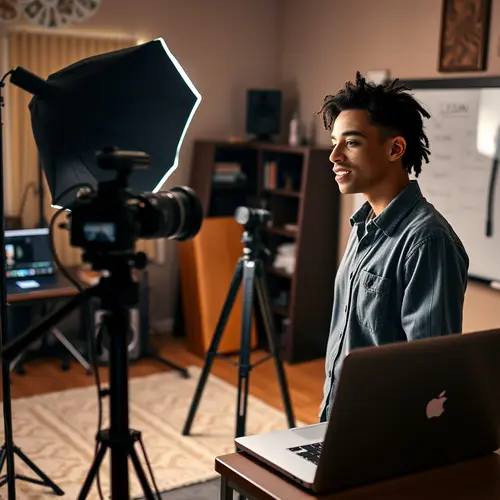
Teaching Videos
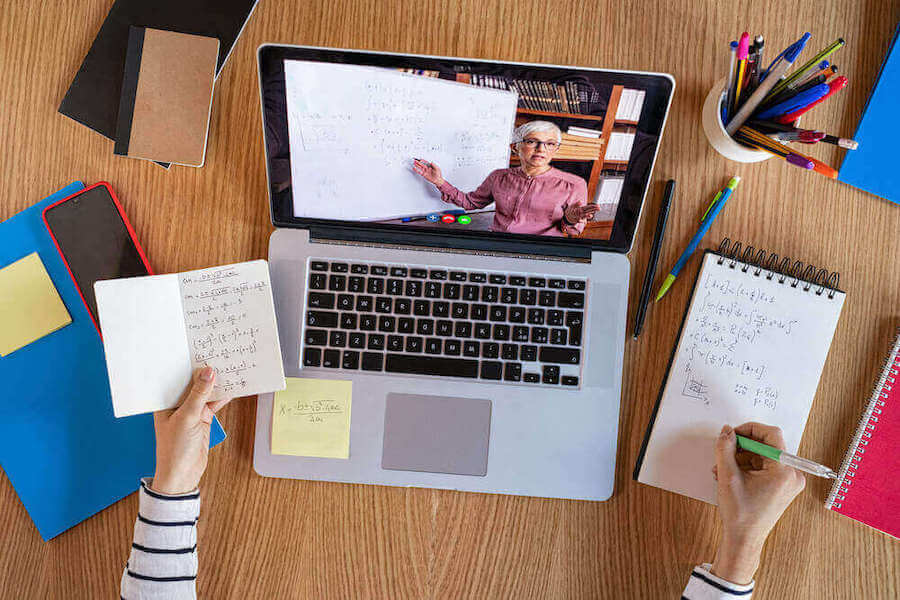
Hybrid and digital learning environments, teaching videos have evolved from supplementary classroom novelties into core pedagogical tools. These concise, purpose-built digital assets allow educators to explain complex concepts, demonstrate multi-step procedures, and deliver targeted remediation. By combining visual narration, on-screen text, and active learning cues, well-crafted video media maintains student focus while providing consistent, repeatable instruction.
When grounded in multimedia learning theory, video content reduces cognitive load and empowers students to master difficult concepts at their own pace.
Pre-Production: Designing Teaching Videos for Cognitive Impact
Effective video creation begins long before hitting the record button. Unscripted, sprawling lectures often lead to cognitive overload and student disengagement. To maximize retention, instructional designers recommend breaking complex curricula into bite-sized micro-learning modules.
-
Target the 3-to-6 Minute Window: Research indicates student engagement drops significantly after six minutes. Limit each clip to a single, clearly defined learning objective to preserve focus.
-
Develop a Dual-Stream Script: Draft a side-by-side script specifying spoken narration alongside visual cues, such as on-screen text callouts, diagrams, or physical demonstrations.
-
Build Storyboard Frameworks: Outline slide transitions, camera angles, and digital whiteboard annotations prior to filming to minimize post-production editing time.
-
Embed Pauses for Active Recall: Plan specific moments in the script where students are instructed to pause the clip and complete a quick reflection or practice problem.
Technical Teaching Videos Production Setup and Editing Standards
Creating professional teaching videos does not require an enterprise studio budget; it requires attention to fundamental production standards. Technical friction—such as distorted audio or blurry visuals—distracts from instructional content and harms learner comprehension.
Hardware and Capture Basics
-
Video Resolution: Capture video at a minimum resolution of 1080p using a high-definition webcam or dedicated digital camera.
-
Audio Isolation: Prioritize clear audio recording using an external USB or lavalier microphone to minimize ambient room noise and echo.
-
Lighting Configuration: Position soft, diffused lighting at a 45-degree angle relative to the instructor to eliminate harsh facial shadows.
-
Screencasting Tools: Utilize reliable screen-capture software when demonstrating software applications, mathematical proofs, or slide deck presentations.
Teaching Videos Post-Production and Accessibility
Once raw footage is captured, edit the file using a timeline-based editor. Incorporate closed captions to comply with ADA accessibility guidelines and support English Language Learners (ELL). Insert chapter markers to allow rapid navigation, and export the final render using the universal MP4 container with an H.264 codec to optimize file size without sacrificing visual fidelity.
Teaching Videos – Measuring Student Engagement and Learning Outcomes
Deploying video content into your Learning Management System (LMS)—such as Canvas, Schoology, or Google Classroom—provides actionable analytics regarding student interaction. Tracking viewing behavior allows educators to continuously refine pacing and content delivery.
| Performance Metric | Target Benchmark | Educational Source | Operational Strategic Value |
| Average View Duration | ≥ 75% of video length | U.S. Dept. of Education, Office of Ed Tech | Measures overall engagement and flags pacing slowdowns |
| Completion Rate | ≥ 80% of assigned cohort | EdTech Magazine Instructional Guide | Confirms accessibility and appropriate video length |
| Post-Video Quiz Improvement | +15% vs. traditional lecture | Journal of Educational Psychology | Validates instructional efficacy and conceptual mastery |
According to findings published by the U.S. Department of Education’s Office of Educational Technology, integrating well-structured instructional clips into lesson plans can increase overall knowledge retention by up to 25 percent compared to passive listening alone.
Best Practices Teaching Videos – for LMS Deployment and Classroom Integration
To build a long-term media library, educators must organize assets for frictionless discovery and active classroom integration.
-
Tag Metadata Rigorously: Tag every uploaded asset with grade levels, subject areas, unit titles, and specific state curriculum standard codes.
-
Pair with In-Video Quizzing: Utilize interactive tools like Edpuzzle or Kaltura to embed formative checks directly into the video timeline, preventing passive viewing.
-
Support Asynchronous Learning: Use media archives to facilitate flipped classroom models, allowing students to digest core lectures at home and reserve in-person class time for collaborative problem-solving.
-
Conduct Regular Content Audits: Schedule semesterly reviews to retire outdated media, update broken hyperlinks, and realign tags with updated district learning standards.
Investing time in disciplined production and curation transforms temporary classroom recordings into a permanent library of high-impact teaching videos. By anchoring video production in proven multimedia principles, educators create scalable, accessible learning tools that drive measurable student achievement.
About the Author