
A back to school girl checklist removes morning chaos by deciding outfits, supplies, and routines in advance. The sections below connect back to school girl checklist to the decisions you face this week.
The dawn of a new school year brings a blend of excitement and anticipation. For every Back to School Girl, it’s an opportunity to embrace fresh challenges, forge new friendships, and express individuality through style and confidence. Ensuring a seamless transition requires thoughtful preparation, blending practicality with personal flair.
Smart Essentials: Equipping for Success
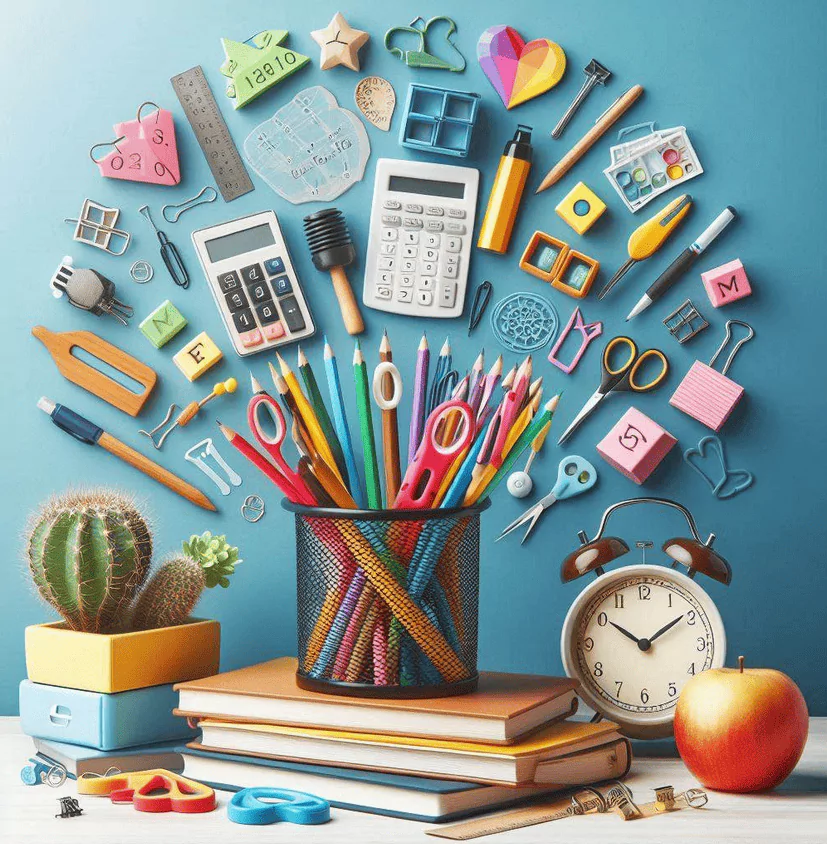
A well-prepared Back to School Girl begins with the right tools. Essential items include:
Academic Supplies: Notebooks, pens, highlighters, and a reliable planner to keep track of assignments and activities.
Technology Aids: A functional laptop or tablet, headphones, and necessary chargers to support digital learning.
Organizational Tools: Binders, folders, and labels to maintain order and accessibility of study materials.
Incorporating these items into a personalized checklist ensures readiness for academic endeavors.
Stylish Statements: Expressing Individuality
Fashion serves as a medium for self-expression. A Back to School Girl can showcase her personality through:
Wardrobe Selection: Choosing outfits that align with personal style while adhering to school dress codes. For outfit ideas for high school that build confidence, see this style guide.
Accessories: Incorporating jewelry, scarves, or hairpieces to add a unique touch to daily attire. Keep the focus on back to school girl checklist while you work through the checklist.
Footwear: Selecting comfortable yet fashionable shoes suitable for various school activities.
Balancing comfort with style empowers confidence throughout the school day.
Stress-Free Strategies: Cultivating a Positive Mindset
Transitioning back to school can be overwhelming. Implementing strategies to manage stress is crucial:
Routine Establishment: Setting consistent sleep and study schedules to foster stability.
Mindfulness Practices: Engaging in activities like journaling or meditation to maintain mental well-being.
Open Communication: Encouraging discussions about feelings and concerns to build emotional resilience.
These approaches support a holistic well-being, enabling a Back to School Girl to navigate the academic year with poise.
Building Confidence: Inner Strength for Every Back to School Girl
Starting school isn’t just about new pencils and planners — it’s about stepping into a new version of yourself. Every Back to School Girl deserves to feel not only prepared on the outside but empowered on the inside. Confidence is cultivated, not gifted. And the right mindset can be as essential as the right backpack.
Encourage her to set small, achievable goals. Whether it’s raising her hand in class once a week, trying out for a club, or simply smiling at someone new — these micro-moments of courage build into a larger sense of self-belief. A journal where she can jot down daily wins, no matter how small, is a powerful tool. Over time, this reflective habit creates a trail of confidence she can always look back on. Most questions about back to school girl checklist come down to cost, time, and support.
Teaching resilience early also helps. Let her know that it’s okay to stumble. Every successful Back to School Girl has faced failure and come back stronger. Frame challenges as growth opportunities. Remind her that her value is not measured by grades, but by her grit and grace in how she overcomes obstacles.
Nourishment for the Mind and Body
A well-nourished body is the foundation for a focused mind. Breakfast truly is brain fuel. Incorporate easy, balanced meals into her morning routine. Think smoothies loaded with greens and fruits, protein-packed toast with almond butter, or overnight oats with a sprinkle of chia seeds and love. Keeping her hydrated and energized gives her the stamina to power through the day.
Snacks are just as important — keep a stash of healthy grab-and-go options like trail mix, granola bars, or fruit cups in her backpack. A Back to School Girl who feels good physically will naturally perform better emotionally and academically.
Also consider packing affirmations with her lunch. A little handwritten note can go a long way. Remind her of her strength, beauty, and brilliance — every single day.
Digital Balance: Navigating Screen Time Mindfully
In a world where screens are part of learning, balance is key. For the modern Back to School Girl, digital devices are tools — not toys. Establish boundaries for recreational screen time to help her protect her focus, rest, and emotional health.
Encourage screen-free zones at home: during meals, one hour before bedtime, and in study areas. Use parental controls wisely, but more importantly, have open conversations about online safety, digital kindness, and curating a healthy social media feed.
Help her set daily intentions for how she uses technology. Is she watching videos to learn? Connecting with friends? Or simply scrolling out of boredom? Awareness turns mindless scrolling into mindful usage.
Social Spark: Cultivating Meaningful Friendships
Every Back to School Girl needs her tribe — a circle of friends who lift her up, laugh with her, and remind her she’s not alone. But building friendships can be intimidating. Normalize that making friends takes time, and that it’s okay not to click with everyone.
Coach her on kindness, empathy, and listening — the real magic behind strong connections. Role-play common school scenarios to build her conversational confidence. Teach her how to spot toxic behavior and how to gracefully walk away when friendships don’t serve her well-being. This guide treats back to school girl checklist as a series of small, testable decisions.
Also, encourage her to seek out clubs or groups that align with her interests — whether it’s drama, chess, sports, or student council. Being part of a community fosters belonging and purpose.
Evening Rituals: Ending the Day With Grace
Just as a strong morning sets the tone, a calming evening helps her recharge. An effective night routine is a secret weapon for every thriving Back to School Girl. Wind down with a warm shower, a gratitude list, and a cozy bedtime story or podcast. A consistent lights-out time, coupled with screen-free moments before bed, improves sleep quality and emotional regulation.
Let her prepare for the next day the night before. Laying out clothes, packing her bag, and reviewing her to-do list creates a sense of control — and eliminates morning chaos.
Encourage her to reflect on what went well during the day. Was she kind? Brave? Did she try something new? Let these moments of introspection guide her growth.
Action Plan: Preparing for a Successful Year
To ensure a comprehensive preparation:
Create a Personalized Checklist: Tailor a list encompassing academic supplies, wardrobe needs, and wellness items.
Schedule a Shopping Trip: Allocate time to gather necessary items, involving the Back to School Girl in decision-making.
Organize a Study Space: Designate a quiet, comfortable area at home conducive to learning and concentration.
Plan a Pre-School Routine: Gradually adjust sleep and meal schedules to align with the upcoming school timetable. A short weekly review keeps back to school girl checklist from drifting into guesswork.
By proactively addressing these areas, a Back to School Girl is positioned for a year of growth, learning, and self-discovery.
Embracing the new school year with preparation and positivity sets the stage for a fulfilling educational journey. Through thoughtful planning and self-expression, every Back to School Girl can embark on this chapter with confidence and enthusiasm.
For related guidance, see School Advice That Truly Works and School Organization Tips to Supercharge Student Success and Confidence.
Get organized with School Supply Organizer That Boosts Focus.
Putting Back To School Girl Checklist Into Practice
A plan turns interest into results. The steps below work whether you are starting this week or rebuilding an old routine, and they fit the topics covered above.
- Name one goal. Write the outcome you want in a single sentence, then check it monthly.
- Set a weekly slot. Protect the same hour each week so the work survives busy periods.
- Use one tool. Keep notes, deadlines, and links in one place instead of five.
- Ask for feedback early. Share a draft, a plan, or a first attempt before you polish it.
- Review the data. Compare what you planned with what actually happened, then adjust.
- Repeat for one term. Consistency beats intensity when the schedule gets crowded.
Common Mistakes That Undo Progress
The first mistake is doing too much at once. A broad plan feels productive, but it spreads attention across too many tasks. Pick one change, run it for four weeks, and only then add the next.
The second mistake is skipping the boring part: schedules, documents, and follow-up. Most setbacks trace back to a missed deadline or an unread instruction, not a lack of talent. Build a simple checklist and use it every time.
The third mistake is judging too early. Early results are noisy. Set a review date, collect two or three signals, and decide with evidence instead of a single bad week.
How to Measure Progress
Choose two metrics you can collect without extra work: completion, attendance, applications submitted, or time saved. Record them weekly in the same place, because memory rewrites progress.
- Leading signal: the action you control, such as sessions completed.
- Lagging signal: the result you want, such as a grade, offer, or acceptance.
- Review window: four weeks for habits, twelve weeks for outcomes.
- Adjustment rule: change one variable at a time so you can tell what worked.
For official guidance, see ASCD.
What should a beginner focus on first?
Start with the fundamentals covered in Smart Essentials: Equipping for Success. Build one repeatable routine, keep the scope small, and review results weekly. Beginners who master the basics first avoid costly detours, and they usually see steadier progress within the first month.
How do you choose the right option?
Compare cost, time commitment, support, and evidence of results. Ask for examples from people who finished, and test the choice on a small scale when you can. The right fit matches your schedule and budget instead of the loudest marketing claim.
How long does it take to see results?
Most people notice small improvements within two to four weeks, and clearer results after about three months of consistent effort. The themes in Stylish Statements: Expressing Individuality matter here: track one or two measures, adjust monthly, and give the process time before judging it.
About the Author