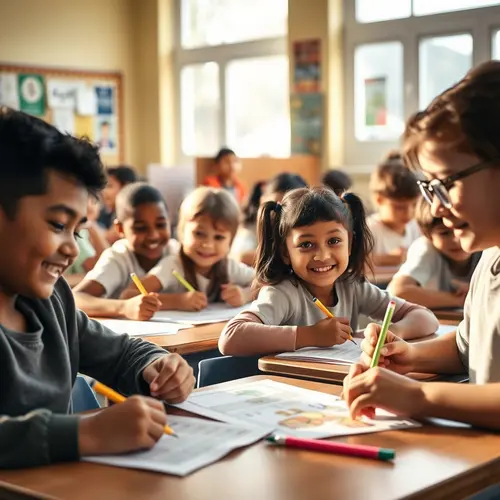
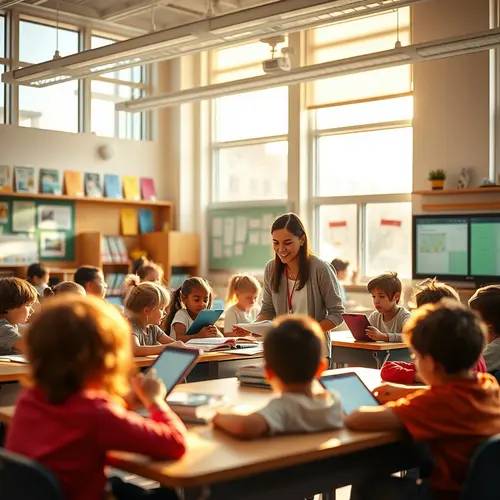
Remote learning engagement grows when students talk, collaborate, and get feedback within the same week. The sections below connect remote learning engagement to the decisions you face this week.
Remote LearningThe world of education is rapidly evolving, and with it, the modalities through which students and educators interact. One of the most transformative changes has been the rise of Remote Learning. What once seemed like an alternative or supplementary method of teaching is now a central part of educational landscapes across the globe. However, as Remote Learning becomes more prevalent, one key challenge remains: fostering genuine engagement. Without the physical presence of peers and instructors, traditional methods of engagement can often fall short, leaving students feeling disconnected or disengaged. Keep the focus on remote learning engagement while you work through the checklist.
This article explores the intricacies of engagement in Remote Learning environments and provides practical strategies for fostering interaction, motivation, and community in virtual classrooms. Most questions about remote learning engagement come down to cost, time, and support.
Understanding the Landscape of Remote Learning
To begin, it’s essential to grasp the unique nature of Remote Learning. In many ways, it offers immense flexibility. Students can learn from anywhere, on their own time, and often at their own pace. This flexibility, while liberating, also presents a set of challenges, particularly in keeping students actively engaged. This guide treats remote learning engagement as a series of small, testable decisions.
Unlike traditional classrooms, where teachers can use body language, proximity, and classroom dynamics to facilitate engagement, Remote Learning often takes place in isolated settings. Students may find themselves in front of a screen, surrounded by distractions, and without the immediate social cues that come with in-person interactions. This absence of traditional engagement elements can lead to a sense of isolation and disengagement, undermining the learning process. A short weekly review keeps remote learning engagement from drifting into guesswork.
At its core, engagement in Remote Learning is about connection—connection with the material, the instructor, and fellow learners. It’s about creating an environment where students not only absorb information but actively participate, collaborate, and grow. The checklist below turns remote learning engagement into steps you can finish this week.
The Importance of Engagement in Remote Learning
Engagement in Remote Learning is vital for several reasons. It directly influences student motivation, retention of information, and overall academic success. When students are engaged, they are more likely to retain knowledge, complete assignments on time, and contribute meaningfully to discussions. On the other hand, disengaged students may struggle with completing tasks, lack enthusiasm for their studies, and fail to make the most of the educational opportunities available to them. Before committing time or money, compare remote learning engagement on cost, support, and evidence.
In a Remote Learning environment, engagement also takes on a more critical role. Without the physical classroom setting to provide spontaneous interactions, students might feel disconnected. Engagement, therefore, serves as a lifeline, allowing students to feel involved and invested in their learning journey. Readers often revisit remote learning engagement at the start of each term.
To foster engagement in Remote Learning, educators must utilize a range of strategies that go beyond simply delivering content. This can include using interactive tools, encouraging collaboration, and creating a supportive community. Let’s dive into some of the most effective ways to achieve this. Families and students can use remote learning engagement to plan one term at a time.
Strategies for Fostering Engagement in Remote Learning
1. Interactive Technology Tools
The power of technology is central to Remote Learning. In a virtual classroom, instructors have the opportunity to harness a variety of tools that can help break the monotony of passive learning and actively involve students in the learning process. Good decisions about remote learning engagement start with a written plan and a review date.
Polling and Quizzing Tools: Incorporating live polls, quizzes, and other interactive assessments can help instructors gauge student understanding in real-time. Tools like Kahoot! or Mentimeter allow educators to ask questions and receive immediate feedback, creating a dynamic learning environment.
Interactive Whiteboards: Platforms such as Jamboard or Miro enable collaborative brainstorming and problem-solving. Students can interact with one another in a shared space, contributing to group discussions or solving problems together, just as they might in an in-person classroom.
Simulations and Gamification: By integrating gamification elements or simulations into Remote Learning, educators can provide students with immersive, hands-on experiences. These interactive activities can simulate real-world applications of the material, helping to deepen understanding while keeping students engaged.
2. Synchronous and Asynchronous Learning Balance
While Remote Learning often relies on technology to deliver content, it’s essential to strike a balance between synchronous (live) and asynchronous (on-demand) learning experiences. Both modalities offer different types of engagement, and a blend of the two can cater to various learning styles. The examples above show remote learning engagement in ordinary weeks.
Synchronous Learning: Live sessions via video conferencing platforms like Zoom or Google Meet allow for real-time interaction. Instructors can foster engagement through live discussions, question-and-answer sessions, and immediate feedback. These sessions also provide students with the opportunity to interact with peers, creating a sense of community.
Asynchronous Learning: While live sessions are important, they aren’t always feasible for every student. Asynchronous learning—such as pre-recorded lectures, discussion boards, and self-paced assignments—offers flexibility. It allows students to engage with the material on their own time, at their own pace, which can be especially valuable for those in different time zones or with other commitments.
The key is to blend both approaches, offering students the flexibility to engage with the content when it suits them, while still providing opportunities for real-time interactions and discussions. Treat remote learning engagement as a process, not a single event.
3. Creating Collaborative Opportunities
Collaboration is often one of the first things to be lost in a Remote Learning environment. Without the opportunity to work together in a classroom, students can miss out on vital social learning experiences. To counter this, instructors should find creative ways to foster collaboration in virtual spaces. Any honest discussion of remote learning engagement has to mention time, money, and support.
Group Projects and Peer Feedback: Encourage students to collaborate on projects, even if they are working from different locations. Platforms like Google Docs or Microsoft Teams allow for real-time collaborative writing, editing, and brainstorming. Providing opportunities for peer feedback can also promote a deeper understanding of the material as students engage critically with one another’s work.
Breakout Rooms: Many video conferencing platforms offer breakout room functionality, which enables smaller groups of students to engage in focused discussions or tasks. These rooms allow students to connect more deeply with a smaller group, which can increase participation and engagement.
Discussion Forums: Online discussion boards are an excellent way to encourage peer-to-peer interaction. Students can respond to prompts, ask questions, and provide feedback to one another. These discussions can take place asynchronously, ensuring students can engage with each other at any time.
4. Establishing Clear Expectations and Accountability
One of the most important aspects of engagement in Remote Learning is ensuring that students know what is expected of them. Without the structure of a traditional classroom, it’s easy for students to feel adrift. Setting clear, consistent expectations can help students stay focused and motivated. Use the comparison table to check remote learning engagement before you commit.
Structured Schedules: Provide students with a clear weekly schedule or syllabus that outlines what will be covered in each lesson, the expected outcomes, and any assignments or assessments. This structure helps students plan their time effectively and stay on top of their studies.
Regular Check-ins: Schedule one-on-one or small group meetings to check in on student progress, answer questions, and offer support. These meetings foster a sense of accountability and personal connection, ensuring students don’t feel isolated.
Interactive Assignments: Design assignments that require active participation and application of knowledge, rather than passive consumption of information. Encourage students to submit work that is reflective, creative, or collaborative.
5. Personalizing Learning Experiences
Personalization is an essential strategy for engaging students in Remote Learning. Each student has unique needs, preferences, and learning styles, and catering to these differences can lead to deeper engagement. The final section returns to remote learning engagement with a short action list.
Adaptive Learning Technologies: Tools that adjust the learning experience based on student performance can help create a personalized learning path. These technologies analyze a student’s strengths and weaknesses and tailor the content to better suit their learning needs.
Student-Centered Learning: Instructors should aim to give students some agency in their learning. Allow them to choose topics of interest for projects or assignments, or provide opportunities for them to direct the pace of their learning.
Formative Assessments: Regular formative assessments allow instructors to monitor student progress and adjust the curriculum accordingly. This ongoing evaluation helps ensure that all students are engaged and challenged appropriately.
6. Building a Community and Sense of Belonging
One of the most challenging aspects of Remote Learning is maintaining a sense of community. Without face-to-face interactions, students may feel disconnected from their peers and instructors. Creating a virtual learning community can help combat this sense of isolation.
Icebreaker Activities: At the beginning of a course, use icebreaker activities to help students get to know one another. These activities can be informal—such as a virtual “show and tell”—and help create a sense of camaraderie.
Celebrating Achievements: Celebrate milestones, whether they are personal achievements, academic successes, or class-wide accomplishments. Recognizing student efforts fosters a positive environment and reinforces the value of participation.
Peer Mentoring and Support: Pair students up with peer mentors or study partners who can provide support throughout the course. This fosters connections between students and gives them an additional resource for academic or emotional support.
Conclusion
Fostering engagement in Remote Learning environments is not a simple task; it requires a thoughtful, multi-faceted approach. By leveraging technology, providing opportunities for collaboration, and creating a supportive, personalized environment, educators can keep students actively involved in their learning journey.
The challenge of engagement in Remote Learning is not insurmountable. With the right strategies and a focus on meaningful interaction, both students and educators can navigate the complexities of virtual education successfully. Ultimately, the goal is to create a learning experience that is dynamic, engaging, and deeply connected—despite the distance that separates the classroom.
You may also find this guide useful: Reimagining Education: The Power of Remote Learning.
Putting Remote Learning Engagement Into Practice
A plan turns interest into results. The steps below work whether you are starting this week or rebuilding an old routine, and they fit the topics covered above.
Name one goal. Write the outcome you want in a single sentence, then check it monthly.
Set a weekly slot. Protect the same hour each week so the work survives busy periods.
Use one tool. Keep notes, deadlines, and links in one place instead of five.
Ask for feedback early. Share a draft, a plan, or a first attempt before you polish it.
Review the data. Compare what you planned with what actually happened, then adjust.
Repeat for one term. Consistency beats intensity when the schedule gets crowded.
Start with the fundamentals covered in Understanding the Landscape of Remote Learning. Build one repeatable routine, keep the scope small, and review results weekly. Beginners who master the basics first avoid costly detours, and they usually see steadier progress within the first month.
How do you choose the right option?
Compare cost, time commitment, support, and evidence of results. Ask for examples from people who finished, and test the choice on a small scale when you can. The right fit matches your schedule and budget instead of the loudest marketing claim.
How long does it take to see results?
Most people notice small improvements within two to four weeks, and clearer results after about three months of consistent effort. The themes in The Importance of Engagement in Remote Learning matter here: track one or two measures, adjust monthly, and give the process time before judging it.
Ashley Davis covers education and lifelong learning since 2020, testing 60+ courses and learning methods on outcomes, cost, and flexibility to help students and curious minds choose with confidence.